
A-AAGORA Spring School
Upscaling Coastal Restoration Solutions
with nature and people
University of Aveiro, Portugal
20-24 April 2026
#Waves4Restoration
About the Spring School
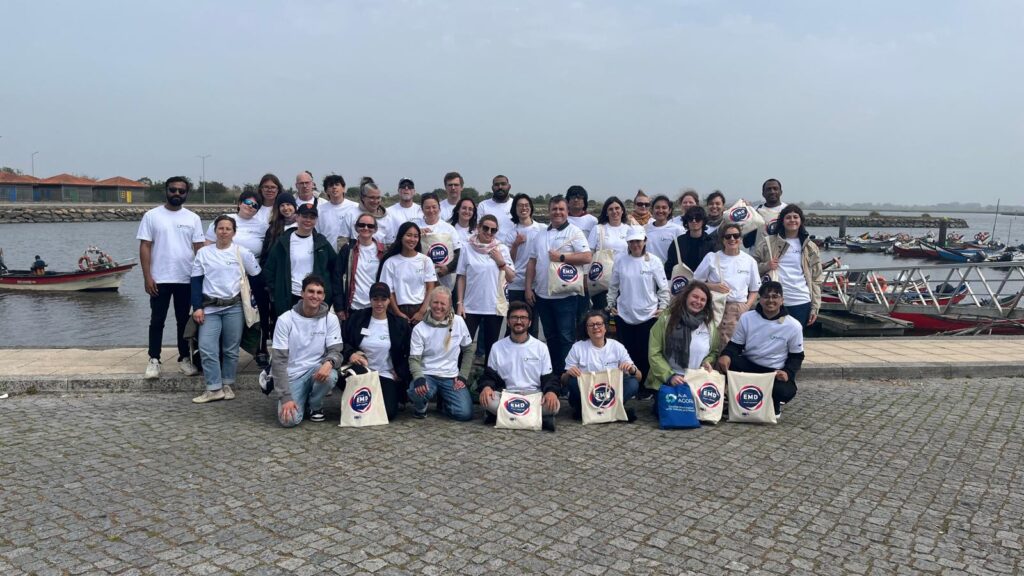
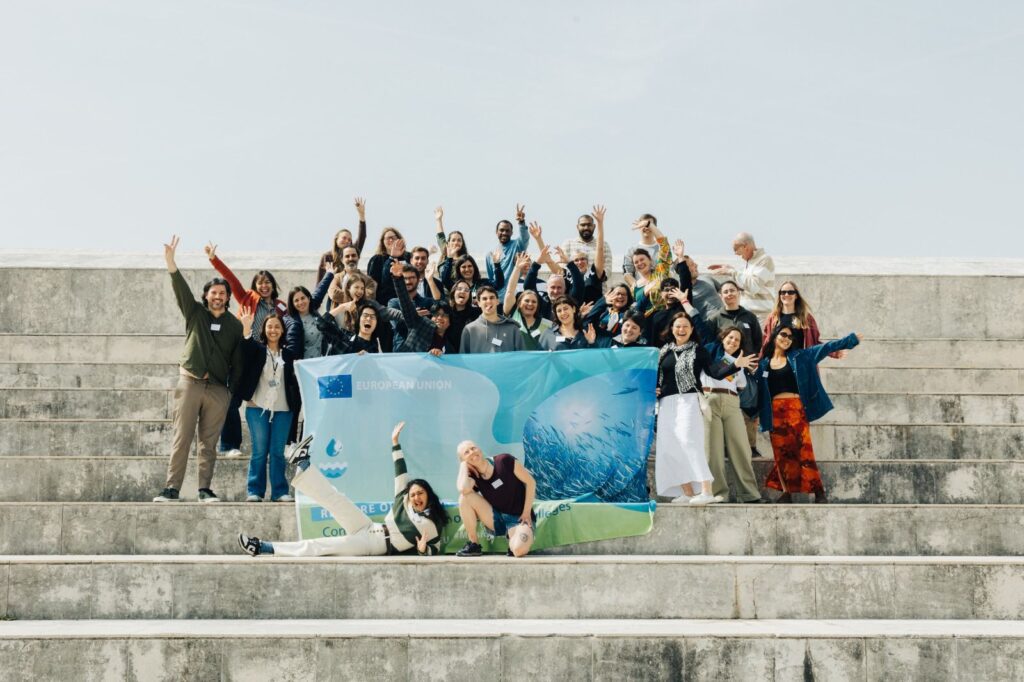
The 5-day A-AAGORA Spring School took place from 20 to 24 April 2026, bringing students and young professionals working in the field of coastal restoration and the A-AAGORA stakeholders from the three demo sites. Throughout the 5 days, student got to learn about the various concepts developed through the A-AAGORA consortium, including that of a living lab, with the goal of equipping these young professionals with practical skills designing and implementing Nature-based Solutions and Ecosystem-based Management in their own coastal areas. Through a guided group work, students got to co-design their own restoration projects with stakeholders and communities, to consider both ecological and socio-economic impacts and explore real-world case studies.
What you can expect
🌱 Learn how NbS and EbM can be co-developed and how they can be replicated and upscaled to meet Europe’s coastal and climate challenges
🧠 Hands-on learning formats, including a serious game, policy workshops, and interactive sessions led by A-AAGORA researchers
🌊 Field visits to see innovative coastal solutions in action
🤝 Meet like-minded students and young professionals from across Europe and build lasting connections
🌍 Aveiro as a living classroom, where ocean, culture, and innovation come together
Teachers and Participants
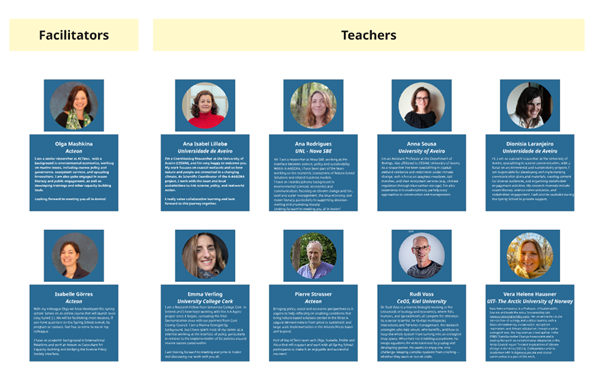
The Spring School core group included two co-facilitators (Olga Mashkina and Isabelle Görres) and eight partners, who were doing the lectures, and supported students in their group work.
Participants included master’s students, PhD students, and young professionals working in marine or coastal conservation, protection, and restoration. Although initial knowledge level varied, the idea was to learn and exchange from each other’s experiences, allowing for greater participation from the students themselves.
Group Work
In addition to lectures, part of the Spring School training was devoted to the group work. Students were divided into four groups, and over the course of the spring school, they were given multiple sessions to work on each of their projects. The work was centred around designing the group’s own nature-based solutions for coastal restoration, running in parallel with the plenary sessions: the concepts, frameworks, and demo cases you encounter each day are direct inputs to your group work. Their work was presented on the last day to a simulated municipality panel, followed by 5 minutes of questions and feedback.
Four themes were developed and proposed to the students, based on the work that was undertaken by each Demo Site. Once the students had selected their projects, they broke into their groups and were able to consult the experts during the group work dedicated sessions, and asked questions during the policy workshop.
Other activities
Serious game
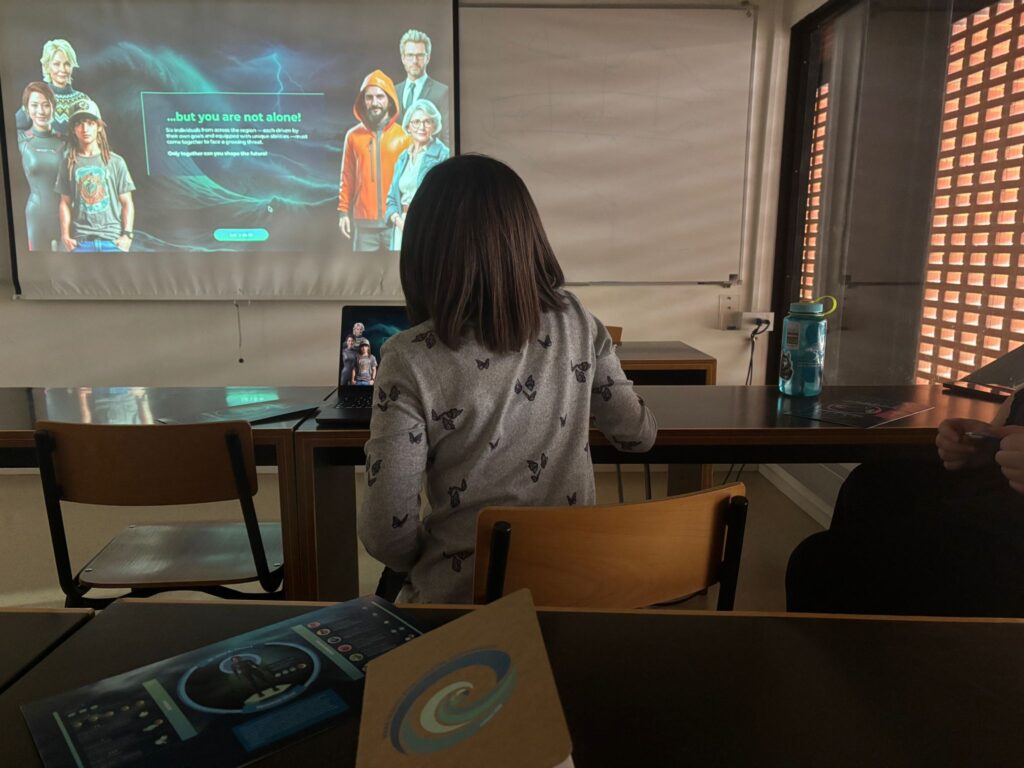
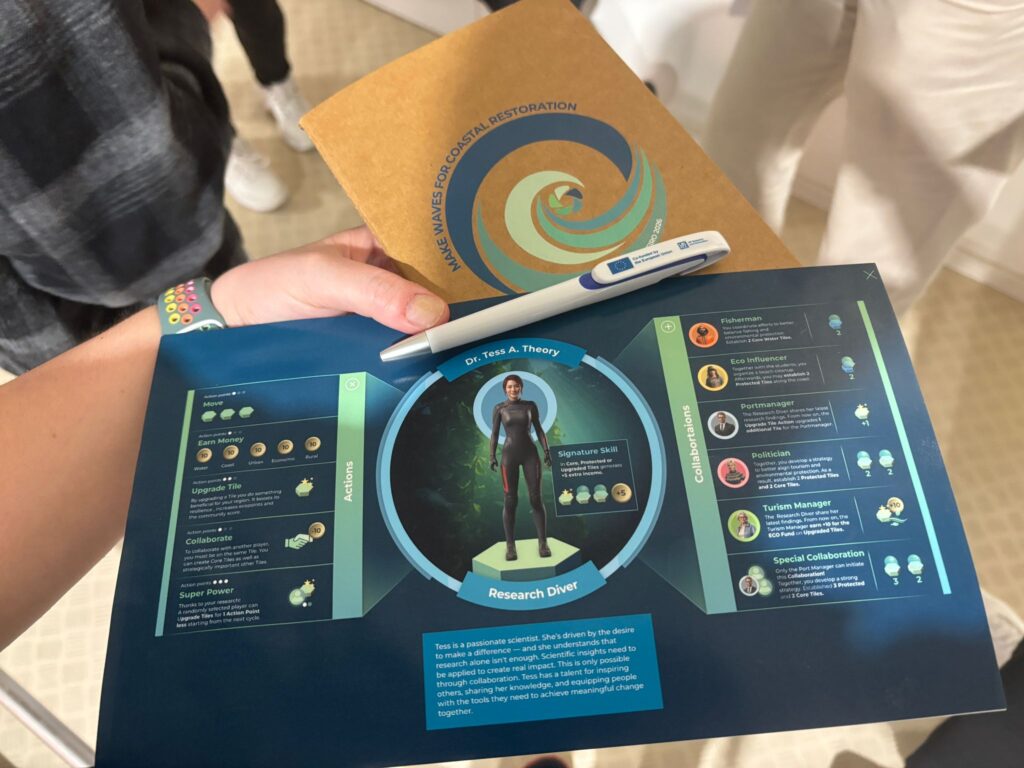
On the first day, students engaged in an immersive serious game designed to simulate the coordinated management of a coastal area. The objective was to maintain the region’s condition through collaborative decision-making, with a specific focus on building resilience against extreme weather and climate events. As students debated the best strategies, differences in priorities emerged, mirroring the complexities of real-world decision-making processes.
Field trip
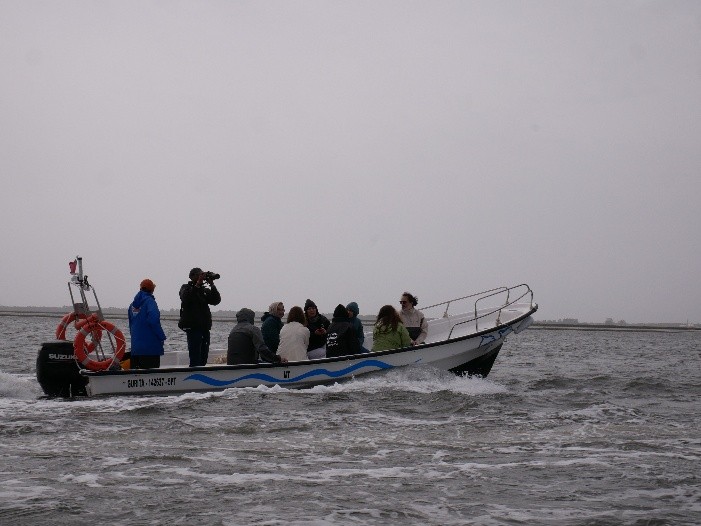
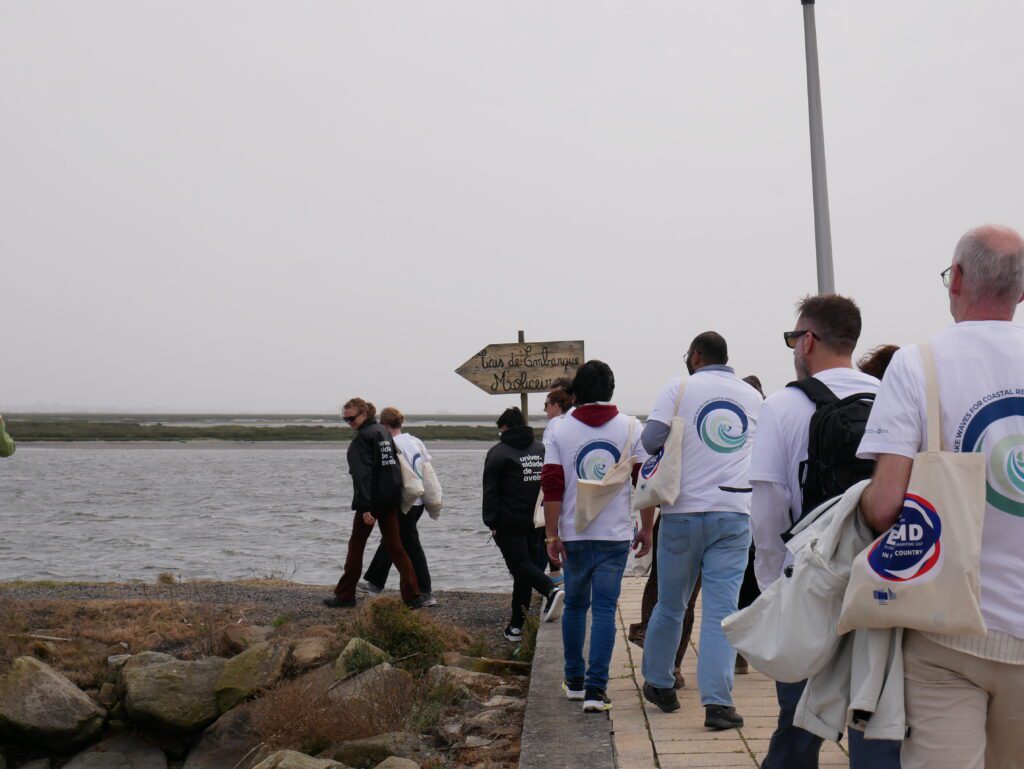
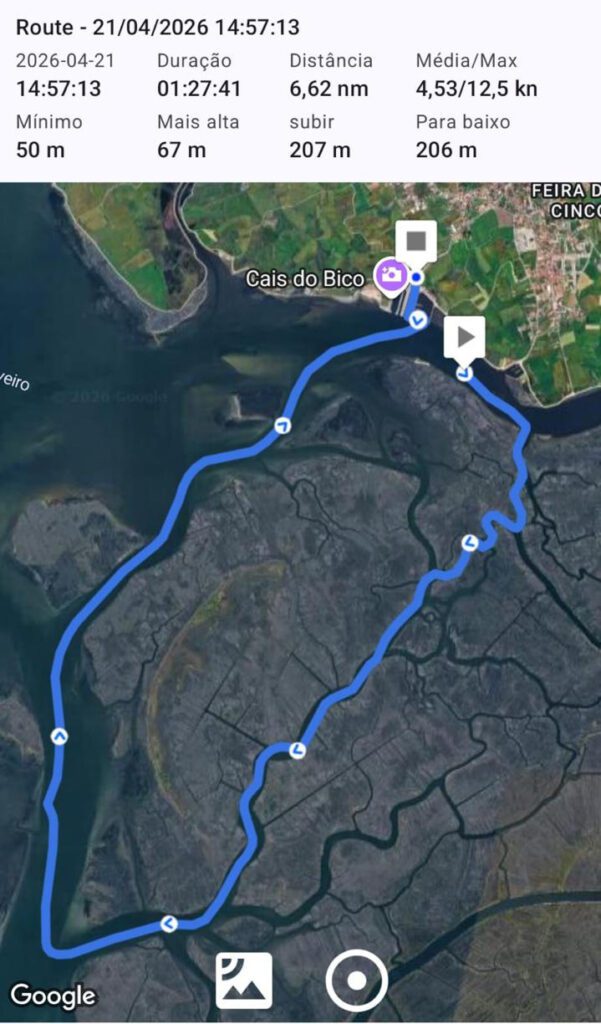
The following day, students toured the Portuguese demonstration site [insert link to Portuguese demo site on A-AAGORA website] by boat, departing from the village of Murtosa. A guide, drawing on accounts from local fishers, described the historical evolution of the wetland and coastal ecosystem. The tour also detailed restoration initiatives undertaken under the A-AAGORA project, including specific efforts to restore seagrass beds.
Policy Workshop
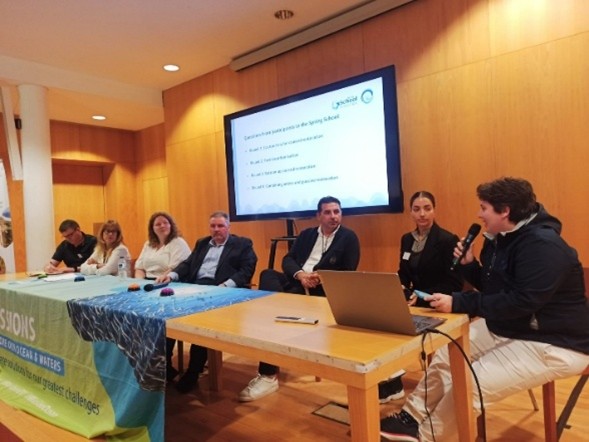
Within the framework of the A-AAGORA spring school, we have organised a policy workshop: Paving the way to successful large-scale coastal ecosystem restoration & climate transition.
The objective was to share outcomes of the project’s case studies and engage in discussions on the key conditions required to support the upscaling of coastal restoration efforts through nature-based solutions.
The program included two discussion panels. The first named “Protecting and restoring coastal ecosystems to deliver healthy biodiversity: sources of inspiration”, presented examples, experiences and sources of inspiration for the protection and restoration of coastal ecosystems.
The second, titled “Setting the right conditions to scale up coastal ecosystem restoration”, focused on the conditions needed to scale up coastal restoration actions.
MOOC
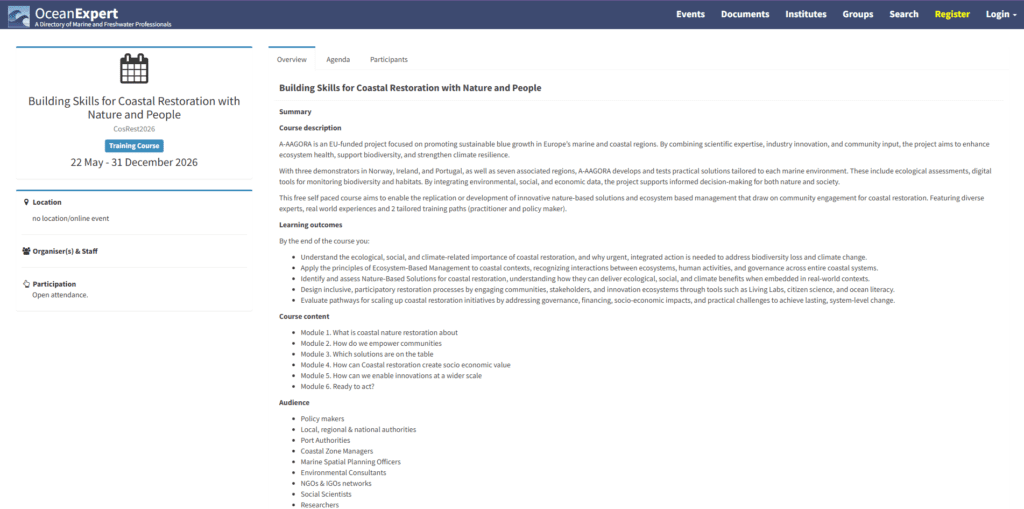
In order to continue the momentum that was built during the Spring School, the A-AAGORA team has created a Massive Open Online Course (MOOC) titled Building Skills for Coastal Restoration with Nature and People, which was created based on the learnings of the A-AAGORA project. The course focuses on how nature-based solutions can be designed and implemented in real-world coastal contexts. Drawing on concrete examples from A-AAGORA’s demonstration sites, the MOOC explores innovative restoration approaches and shows how they can be adapted and replicated in different regions, with a strong emphasis on participatory processes and collaboration across sectors.